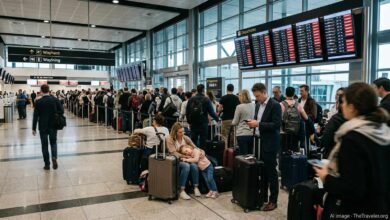


Air travel doesn’t always go exactly as planned, and that’s something every frequent flyer eventually experiences. One recent incident that caught attention was Delta flight DL275 diverted to LAX. If you saw headlines or social media posts about it, you might be wondering what actually happened, whether it was serious, and what it means for passengers.
Here’s a straightforward, human-written explanation that cuts through confusion and explains the situation in a way that actually makes sense.
Understanding the Situation
Delta Flight DL275 is a long-haul international route, typically operated using a wide-body aircraft designed for extended travel. During its journey, the flight was diverted to Los Angeles International Airport (LAX) instead of continuing directly to its scheduled destination.
Now, the word “diverted” can sound alarming, but in aviation, it’s not unusual—and it’s almost always done out of caution rather than panic.
Pilots are trained to make decisions based on safety first, convenience second. If anything seems even slightly off, whether it’s a technical alert, a passenger health issue, or weather complications, they’ll choose the safest option available. In this case, that option was LAX.
Why Flights Get Diverted Mid-Air
To really understand what happened with DL275, it helps to know why diversions happen in general. There isn’t just one reason—there are several common scenarios.
One of the most frequent causes is a medical emergency. If someone on board becomes seriously ill, time becomes critical. Pilots will coordinate with ground control to land at the nearest major airport where medical teams are ready.
Another major factor is technical concerns. Modern aircraft are incredibly advanced, but they’re also monitored constantly. Even a minor warning light or irregular reading can lead pilots to divert—not because the plane is in danger, but because it’s better to check things on the ground than take risks in the air.
Then there’s weather. Conditions at the destination airport might suddenly become unsafe for landing. Strong winds, low visibility, or storms can force pilots to choose an alternate airport.
Finally, there are operational or security reasons, though these are less common. Airspace restrictions or precautionary alerts can also change a flight’s path.
Why Los Angeles (LAX) Was Chosen
You might wonder: why LAX specifically?
Los Angeles International Airport is one of the most important aviation hubs in the world. For long-haul flights crossing oceans, it’s a strategic location with everything needed to handle unexpected situations.
It has long runways that can accommodate large aircraft, highly trained ground crews, and access to top-tier maintenance facilities. On top of that, the surrounding area has major hospitals and emergency services.
In short, if something unexpected happens mid-flight over the Pacific or nearby regions, LAX is one of the safest and most practical places to land.
What Happens After the Plane Lands?
Once a flight like DL275 lands after a diversion, things don’t just go back to normal instantly. There’s a process.
First, the issue that caused the diversion is addressed. If it was medical, emergency personnel board the aircraft immediately. If it was technical, engineers begin inspections.
Passengers are usually asked to remain seated initially, then gradually allowed to disembark depending on the situation.
From there, the airline works on the next steps. This might include:
- Continuing the journey on the same aircraft after clearance
- Arranging a replacement aircraft
- Rebooking passengers on other flights
If delays stretch longer, airlines often provide meals, hotel accommodations, or travel assistance.
What Passengers Experience
For people on board, a diversion can feel confusing. You’re expecting to land in one place, and suddenly you’re somewhere else entirely.
Typically, the pilot makes an announcement explaining that the flight will be diverted and gives a brief reason. However, details can sometimes be limited until the situation is fully understood.
Passengers might feel anxious, especially if they don’t fly often. But it’s important to recognize that diversions are controlled, planned decisions—not emergencies in the dramatic sense people imagine.
Cabin crew are trained to handle these situations calmly, guiding passengers through what’s happening step by step.
Is a Flight Diversion Dangerous?
This is probably the biggest concern people have.
The honest answer: no, not usually.
A diversion is actually a sign that the system is working correctly. Aviation operates on layers of safety, and decisions are made early—long before anything becomes dangerous.
Think of it like taking a detour while driving because you notice something off with your car. You’re not in immediate danger, but you’re choosing the safer path.
That’s exactly what pilots do.
How Often Does This Happen?
Considering the number of flights operating globally every day, diversions are relatively rare. And when they do occur, they’re handled professionally and efficiently.
Most passengers will go years—if not their entire lives—without experiencing one.
What You Can Learn from This
Incidents like Delta flight DL275 diverted to LAX can feel dramatic when you first hear about them, but they’re actually a reminder of how carefully aviation is managed.
Every decision, from the cockpit to ground operations, is guided by strict protocols designed to protect passengers.
If you ever find yourself on a diverted flight, the best thing you can do is stay calm, follow crew instructions, and trust the process. It may disrupt your schedule, but it’s ultimately about getting everyone to their destination safely.
FAQs
Why was Delta flight DL275 diverted to LAX?
The exact cause depends on official reports, but typical reasons include medical issues, technical checks, or weather conditions.
Do passengers get compensation after a diversion?
Airlines usually provide assistance like meals or hotels, but compensation depends on the reason and policies.
Can a diverted flight continue the same day?
Yes, if the issue is resolved quickly. Otherwise, passengers may be rebooked.
Are diversions common?
No, they’re relatively rare compared to the total number of daily flights.
Should I be worried if my flight is diverted?
Not necessarily. It’s usually a precaution and a sign that safety procedures are being followed.