

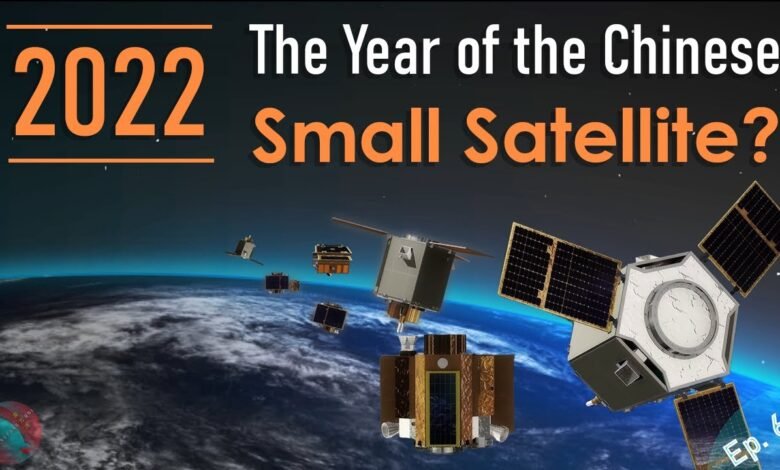
Satellite launches used to feel like rare events that only space enthusiasts followed closely. Today, they happen so often that many people barely notice them anymore. Governments and private companies are now placing huge numbers of small satellites into orbit, creating what experts call “satellite swarms” or “satellite constellations.”
Among the countries drawing the most attention in this area is China. Its fast-growing satellite programs have become a major topic in discussions about technology, defense, communication, and cybersecurity.
I became interested in this subject after experimenting with satellite-tracking apps during a camping trip in a remote area where mobile signals were weak. Using tools like Heavens-Above and Satellite Tracker by Star Walk, I noticed just how crowded low-Earth orbit had become. New launch announcements appeared constantly, especially from China and the United States.
At first, it seemed like exciting progress in modern technology. But after reading reports from telecom engineers, defense researchers, and cybersecurity analysts, I realized why many experts are paying close attention to China’s satellite swarm projects.
The issue is not simply about launching satellites. The real concern involves the scale of these networks, their advanced coordination systems, and the possible military and strategic uses behind them.
At the same time, satellite swarms also bring useful benefits for communication, disaster response, navigation, and scientific research. Like many technologies, the impact depends on how they are used.
What Are Satellite Swarms?
A satellite swarm is a large group of smaller satellites that work together in orbit instead of relying on a single large satellite.
Rather than building one extremely expensive spacecraft, operators launch many smaller satellites that communicate with each other and share tasks.
An easy way to understand this is by comparing transportation systems. One large truck can carry a lot of cargo, but hundreds of smaller delivery bikes can move faster through different areas at the same time. Satellite swarms work in a similar way.
These systems offer several practical advantages:
- Wider coverage across the planet
- Faster communication speeds
- Backup support if one satellite stops working
- Lower manufacturing costs
- Better real-time data sharing
- Flexible network management
China has invested heavily in low-Earth orbit satellite systems because satellites positioned closer to Earth can reduce communication delay and improve imaging quality.
This technology supports everything from internet services to environmental monitoring.
Why China’s Satellite Expansion Is Getting Attention
Many countries operate satellites, so why does China’s program receive so much global focus?
One reason is speed. China’s space development has accelerated quickly over the last decade.
The country has:
- Increased rocket launches significantly
- Built advanced observation satellites
- Developed its own navigation systems
- Expanded lunar and deep-space missions
- Invested in reusable launch technology
Another reason is that many experts believe some Chinese satellite projects may have both civilian and military applications.
That “dual-use” nature creates uncertainty.
For example:
- A satellite designed for weather monitoring could also capture high-resolution ground images.
- Communication satellites used for internet services may also support military operations.
- AI-powered coordination systems can help both logistics companies and defense networks.
This overlap between civilian and strategic use is why governments and analysts continue monitoring these developments carefully.
Military Surveillance Concerns
One of the biggest concerns surrounding satellite swarms involves surveillance capability.
Traditional satellites only pass over certain locations at specific times. A swarm of hundreds of satellites can provide much more frequent coverage.
That means sensitive locations could potentially be monitored almost continuously.
Defense experts often discuss how swarm systems might track:
- Naval activity
- Aircraft movement
- Border regions
- Missile systems
- Communication patterns
During an online aerospace seminar I watched last year, a satellite engineer described swarm surveillance as “turning orbit into a permanent observation network.” That explanation made the issue easier to understand.
The concern is not necessarily that satellites exist. The concern is how persistent and detailed monitoring could become when large numbers of coordinated satellites operate together.
Space Is Becoming More Crowded
Another major issue is orbital congestion.
Low-Earth orbit is becoming extremely busy as countries and private companies compete for space.
China is not the only player involved. The United States, Europe, and commercial companies are also launching large satellite networks.
The danger comes from collisions.
Even a tiny crash in orbit can create thousands of debris fragments traveling at massive speeds. Those fragments can damage other satellites and create even more debris.
Organizations such as NASA and European Space Agency already track large amounts of orbital debris daily.
The problem is that many smaller fragments are difficult to detect.
A networking specialist I spoke with once compared low-Earth orbit to an overcrowded highway without traffic lights. The comparison sounded dramatic at first, but after seeing satellite density maps myself, it actually makes sense.
During a meteor shower trip, I spent time using satellite tracking software late at night. Watching long chains of satellites crossing the sky every few minutes was honestly surprising. It showed just how rapidly orbital activity is increasing.
Communication and Internet Control
Satellite swarms are not only useful for military purposes. They also support communication infrastructure.
Modern satellite networks help provide:
- Internet access
- Emergency communication
- GPS services
- Industrial monitoring
- Remote connectivity
China has been working toward reducing dependence on foreign communication systems. From a strategic perspective, that makes sense for any major power.
However, communication infrastructure also affects:
- International trade
- Data security
- Regional influence
- Financial systems
- Information flow
Because of this, some countries worry that control over large satellite networks could provide geopolitical advantages during international tensions.
This is one reason satellite technology is now discussed not only by scientists, but also by policymakers and cybersecurity professionals.
Cybersecurity Risks in Orbit
People sometimes forget that satellites are essentially computers operating in space.
And like other connected systems, they can face cyber threats.
Security researchers have warned for years that satellite communication systems may become targets for:
- Signal interception
- GPS spoofing
- Data theft
- Communication disruption
- Unauthorized access
The challenge grows even larger with swarm systems because operators must secure many connected satellites at once.
Several commercial satellite providers have already reported interference attempts and signal jamming incidents during geopolitical conflicts.
As artificial intelligence becomes more involved in satellite coordination, cybersecurity becomes even more important.
A poorly protected network could create risks not only for military systems, but also for civilian services that depend on satellite communication every day.
Artificial Intelligence Is Changing Satellite Operations
Artificial intelligence is becoming a key part of modern satellite systems.
Older satellites relied heavily on ground stations for instructions. Newer swarm networks can make some decisions automatically.
For example, satellites may:
- Change positions independently
- Share workloads
- Avoid collisions
- Adjust communication routes
- Prioritize tasks in real time
These features improve efficiency, especially during emergencies or scientific missions.
But there are also concerns about automation in military environments.
Some analysts compare satellite swarm coordination to drone swarm technology. When systems begin making rapid decisions with minimal human involvement, ethical and security questions naturally follow.
Helpful Civilian Uses of Satellite Swarms
Despite the concerns, satellite swarms also provide valuable benefits that people already use in daily life.
I personally noticed the advantages while traveling in rural areas where mobile coverage was unreliable. Satellite-based internet systems worked far better than older services I had tested years ago.
The connection felt faster and more stable, especially for messaging and navigation.
Here are some important civilian applications.
Disaster Recovery
After major disasters, communication networks often fail.
Satellite swarms can help restore connectivity during:
- Floods
- Earthquakes
- Wildfires
- Hurricanes
Emergency response teams can quickly deploy portable satellite terminals to reconnect affected regions.
Agriculture and Farming
Modern agriculture increasingly depends on satellite imaging.
Farmers use satellite data for:
- Monitoring crop health
- Managing irrigation
- Detecting soil issues
- Tracking weather conditions
These tools help reduce waste and improve efficiency.
Shipping and Transportation
Shipping companies rely heavily on satellite systems for navigation and cargo tracking.
Swarm networks improve reliability across oceans where normal mobile coverage is unavailable.
Climate and Environmental Research
Scientists use satellite constellations to study:
- Climate change
- Ice movement
- Ocean temperatures
- Storm patterns
- Environmental damage
Without satellite networks, many of these global monitoring systems would be far less accurate.
Common Problems Countries Still Need to Solve
As satellite programs expand, governments and companies are facing several important challenges.
Weak Debris Management
Not all operators have reliable plans for removing inactive satellites from orbit.
Dead satellites left floating in space increase collision risks for everyone.
Limited Transparency
Many countries release only basic information about military-linked space programs.
That lack of transparency often creates suspicion between nations.
Slow Cybersecurity Improvements
Some organizations focus heavily on launching satellites quickly but invest less in long-term cybersecurity protection.
That can create vulnerabilities later.
Experts have repeatedly warned that stronger international standards are needed before orbital traffic becomes even more crowded.
Could Satellite Swarms Increase Global Tension?
This question worries many policymakers.
Modern societies depend heavily on satellites for:
- Banking systems
- GPS navigation
- Aviation
- Military communication
- Internet services
- Financial transactions
If satellite systems become targets during international conflicts, civilian infrastructure could also be affected.
That is why global discussions around “space rules” have become more serious in recent years.
Several organizations support stronger agreements on:
- Orbital traffic control
- Space debris reduction
- Anti-satellite weapon restrictions
- Communication safety standards
- Transparency policies
The challenge is that international cooperation becomes more difficult during periods of political tension.
Why Ordinary People Should Care
Most people will never directly interact with a satellite swarm, but these systems still affect everyday life.
Satellite technology influences:
- Smartphone navigation
- Airline routes
- Weather forecasting
- Internet access
- Emergency communication
- Streaming services in remote areas
Businesses also rely on satellites more than ever before.
A shipping company tracking cargo, a farmer monitoring crops, or a rescue team responding to a disaster may all depend on orbital systems working properly.
As these networks grow larger, their importance will continue increasing.
The Future of Satellite Swarms
When people hear about China satellite swarm concerns, they often imagine science fiction scenarios or secret space weapons.
The reality is more complex.
This topic is partly about military competition, but it is also about communication infrastructure, technological leadership, economic influence, and cybersecurity.
Satellite swarms are quickly becoming part of modern life. The same systems that help deliver internet to remote communities can also support advanced surveillance capabilities. The same technology used for environmental research may also hold strategic military value.
That balance between innovation and risk is what makes the conversation so important.
After following satellite launches and testing tracking apps over the past few years, one thing has become clear to me: space technology is moving much faster than most people realize.
What once sounded futuristic is now happening in real time, and satellite swarms are already shaping communication, security, and global politics across the world.