

Air travel is widely regarded as one of the safest forms of transportation, thanks to strict regulations, advanced technology, and highly trained professionals. However, situations can still arise that require immediate action. One such case is the emergency diversion of United Airlines Flight UA770, which has sparked curiosity and concern among travelers. Understanding what happened—and what it means—can help passengers feel more informed and reassured.
What Happened on Flight UA770?
United Airlines Flight UA770 was scheduled to operate as a routine journey, carrying passengers to its intended destination without any expected disruptions. However, during the flight, the crew identified a situation that required immediate attention. As a result, the pilots made the decision to divert the aircraft to an alternate airport.
While official details about specific incidents like UA770 may vary or take time to be fully disclosed, emergency diversions are not uncommon in aviation. They are a standard safety procedure used when continuing to the original destination could pose a risk, even if that risk is only precautionary.
The key takeaway is simple: the diversion was a proactive safety measure, not a sign of failure.
Why Do Flights Get Diverted?
There are several reasons why a flight like UA770 might be forced to change course. These situations are carefully evaluated by pilots and airline operations teams before any decision is made.
Medical Emergencies
One of the most common causes of diversions is a medical issue onboard. If a passenger or crew member becomes seriously ill, the aircraft may need to land quickly so they can receive urgent medical care. In such cases, time is critical, and pilots choose the nearest airport with proper facilities.
Technical or Mechanical Concerns
Modern aircraft are equipped with sophisticated monitoring systems that alert pilots to even minor irregularities. If something unusual is detected—such as a warning light or unexpected reading—the crew may decide to divert as a precaution. Even if the issue turns out to be minor, safety protocols require immediate action.
Weather Conditions
Weather can change rapidly, making it unsafe to continue toward the original destination. Severe turbulence, storms, or poor visibility can all lead to a diversion. Pilots always prioritize stable and safe landing conditions.
Security Precautions
Although rare, security concerns can also lead to diversions. In such cases, strict procedures are followed to ensure the safety of everyone onboard.
How the Crew Handles an Emergency Diversion
When a situation arises mid-flight, pilots and cabin crew follow well-established procedures. These are designed to ensure calm, efficiency, and safety throughout the process.
First, the pilots communicate with air traffic control and declare the need for a diversion. This gives the flight priority in landing arrangements. The aircraft is then directed to the nearest suitable airport, considering runway length, weather conditions, and available emergency services.
Meanwhile, cabin crew inform passengers about the situation in a calm and controlled manner. They provide instructions if needed and help maintain order in the cabin.
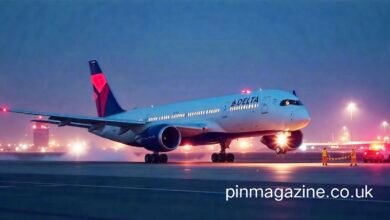
On the ground, emergency teams are often placed on standby. It’s common for passengers to see fire trucks or ambulances near the runway—this is a precautionary measure and does not necessarily indicate a severe emergency.
What Passengers Experienced
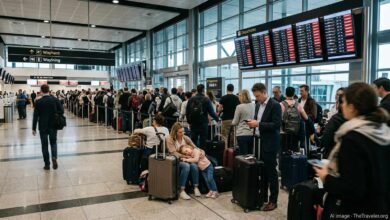
For passengers on Flight UA770, the experience was likely unexpected but handled professionally. Most travelers report that during diversions, the crew remains composed and reassuring, which helps reduce anxiety.
Passengers may have noticed changes such as:
- Announcements explaining the diversion
- A shift in the flight path or altitude
- Emergency vehicles visible after landing
- Delays in reaching the final destination
Once the plane lands safely, the airline typically arranges assistance. This may include rebooking passengers on another flight, providing meals, or offering accommodation if the delay is extended.
Safety Systems That Make Diversions Effective
Incidents like the UA770 diversion highlight how well aviation safety systems work. Every aircraft is maintained according to strict schedules, and pilots undergo continuous training to handle emergencies.
In addition, airlines operate under global aviation authorities that enforce rigorous standards. These include regular inspections, safety audits, and mandatory reporting of any unusual events.
Because of these layers of protection, diversions are usually carried out smoothly and without harm to passengers.
Why Emergency Diversions Are a Good Thing
Although the term “emergency diversion” may sound alarming, it is actually a sign that safety protocols are being followed correctly. Pilots are trained to act early rather than wait for a situation to worsen.
In many cases, the issue prompting the diversion turns out to be minor. However, aviation prioritizes caution above all else. Making a safe landing at an alternate airport is always the better option compared to taking unnecessary risks.
Conclusion
The emergency diversion of United Airlines Flight UA770 is a strong example of how the aviation industry handles unexpected situations. While it may have caused temporary inconvenience for passengers, the decision to divert was made with safety as the top priority.
For travelers, understanding these procedures can help ease concerns. Emergency diversions are not signs of danger—they are proof that the system is working exactly as it should.
FAQs
1. What is an emergency diversion in aviation?
An emergency diversion happens when a flight lands at a different airport than planned due to a safety concern or urgent situation.
2. Was Flight UA770 in serious danger?
There is no indication that passengers were in serious danger. Most diversions are precautionary measures.
3. What happens to passengers after a diversion?
Passengers are usually assisted with rebooking, meals, and accommodation if necessary.
4. How do pilots decide to divert a flight?
Pilots assess the situation based on safety, distance to airports, weather, and available emergency services before making a decision.
5. Are emergency diversions common?
They are not frequent but do happen occasionally as part of normal aviation safety procedures.
6. Should passengers be worried during a diversion?
No. Diversions are carried out to ensure safety, and airline crews are trained to handle them professionally.