
Beyond Entertainment: How Skill-Based Gaming Is Shaping the Future of Digital Engagement

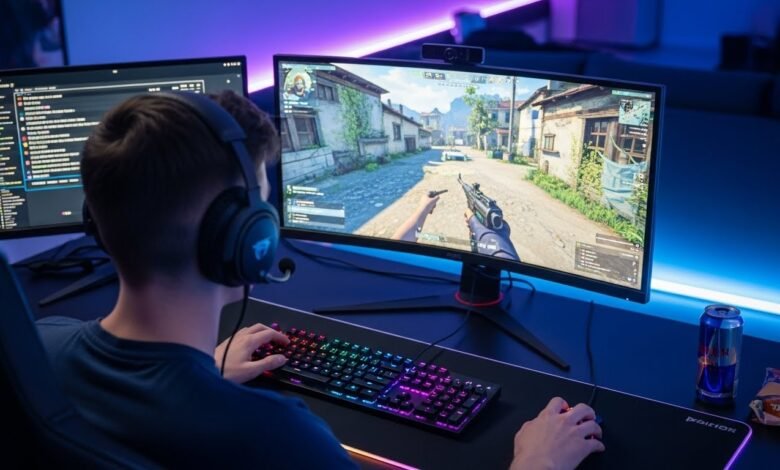
Why Interactive, Player-Driven Experiences Are Redefining Value in the Digital Economy
Introduction: A New Era of Digital Entertainment
In today’s fast-evolving digital landscape, entertainment is no longer defined solely by passive consumption. The modern audience seeks more than fleeting amusement—they crave engagement, challenge, and personal growth. This shift has given rise to skill-based gaming, a rapidly expanding segment of the digital entertainment economy that emphasizes player ability, strategy, and continuous improvement.
From Passive Consumption to Active Participation
At its core, skill-based gaming represents a fundamental change in how people interact with digital content. Unlike traditional forms of entertainment such as scrolling through social media or watching videos, skill-based games require active participation. Players are not just observers; they are decision-makers, strategists, and competitors. Every session offers an opportunity to learn, refine techniques, and measure progress, creating a sense of accomplishment that passive content cannot replicate.
The Evolution of Audience Expectations
This transformation aligns with a broader trend in consumer behavior. Over time, audiences have consistently moved toward experiences that grant them greater control and involvement. From on-demand streaming to user-generated content platforms, the trajectory is clear—people value agency. Skill-based gaming takes this concept further by placing the outcome of the experience directly in the hands of the player. Success is not determined by algorithms or luck alone, but by the player’s ability to adapt, think critically, and improve over time.
Technology as the Driving Force
Technological advancements have played a crucial role in enabling this shift. Modern smartphones now possess the processing power once reserved for high-end gaming systems, while improved network infrastructure allows for seamless real-time competition. Additionally, innovations such as cloud gaming and artificial intelligence are enhancing accessibility and personalization, ensuring that players can enjoy high-quality experiences anytime, anywhere. These developments have eliminated many of the barriers that once limited the growth of interactive gaming.
The Economics of Engagement
From an economic perspective, skill-based gaming offers significant advantages over traditional entertainment models. Passive content relies heavily on constant renewal to maintain audience interest. In contrast, skill-based platforms build long-term engagement by encouraging players to invest time and effort into mastering the game. This investment creates a deeper connection, resulting in higher retention rates and stronger loyalty.
Community and Competitive Advantage
Another defining feature of skill-based gaming is the strength of its communities. These communities are built around shared learning, competition, and mutual improvement. Players exchange strategies, refine their skills, and build reputations based on performance. This creates a sense of belonging and purpose that extends beyond the game itself, giving platforms a powerful competitive advantage that is difficult to replicate.
Trust and Fair Play in Skill-Based Platforms
Trust is a critical factor in the success of skill-based gaming. Players expect that their efforts will be rewarded fairly and that outcomes will reflect their abilities. Platforms that prioritize transparency, fairness, and balanced competition are more likely to build long-term loyalty. Conversely, systems that undermine this trust risk losing their most dedicated users.
The Future of Interactive Entertainment
Looking ahead, the growth of skill-based gaming shows no signs of slowing. As technology continues to evolve and audiences demand more meaningful engagement, interactive entertainment is set to become the dominant form of digital leisure. While passive content will still exist, the value and time invested in skill-driven experiences will continue to grow.
Conclusion: A Shift That Redefines Entertainment
The modern digital entertainment economy is being reshaped by a simple yet powerful idea: people want to be more than just entertained—they want to be challenged, engaged, and rewarded for their efforts. Skill-based gaming embodies this shift, offering experiences that combine enjoyment with personal development. Platforms that embrace this model are not just adapting to change—they are defining the future of entertainment.