

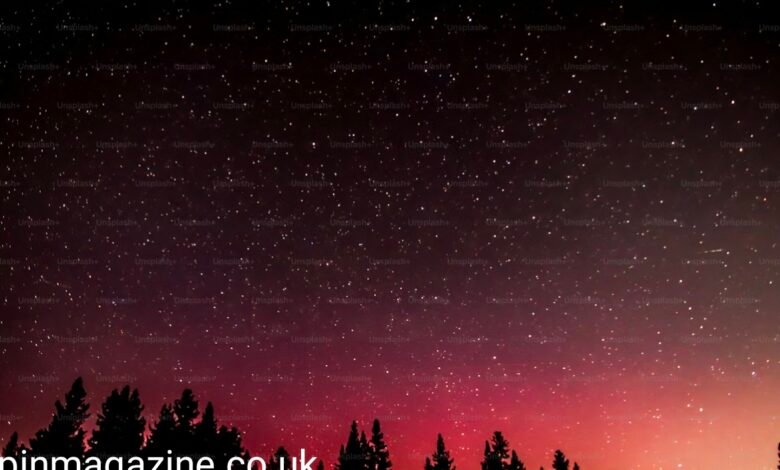
Capturing the beauty of a star-filled sky on paper is both relaxing and rewarding. A night sky drawing allows artists to explore creativity, practice shading techniques, and create stunning visual art. Whether you are a beginner or an experienced artist, understanding the essentials of a night sky drawing can elevate your artwork to the next level.
In this guide, we’ll explore what a night sky drawing is, tools and techniques to create it, creative ideas, and answers to frequently asked questions about this mesmerizing art form.
What is a Night Sky Drawing?
A night sky drawing is an artistic representation of the night sky, typically including elements such as stars, the moon, planets, and sometimes landscapes. Artists use different mediums such as pencils, charcoal, pastels, or digital tools to recreate the magical ambiance of nighttime.
Some common elements of night sky drawings include:
- Stars and constellations: Drawing recognizable star patterns or clusters.
- Moon phases: Full moon, crescent moon, or a rising moon.
- Auroras and clouds: Adding movement and depth to the sky.
- Foreground objects: Mountains, trees, or silhouettes to frame the sky.
A night sky drawing is not just about replicating reality—it’s about creating mood, atmosphere, and wonder.
Tools Needed for a Night Sky Drawing
Creating a stunning night sky drawing requires some essential tools. Depending on your preferred medium, you can choose from the following:
- Graphite pencils: Ideal for sketching stars, moon, and outlines.
- Charcoal: Perfect for creating dark, dramatic skies.
- Colored pencils: For adding hues of blue, purple, and gold.
- Pastels: Great for blending colors for a soft, glowing effect.
- Blending stumps or cotton swabs: For smooth transitions in the sky.
- Erasers: Both regular and kneaded erasers to create highlights.
- Digital tablets/software: If you prefer digital night sky drawings.
By selecting the right tools, you can achieve more control and create a night sky drawing that looks professional and captivating.
Step-by-Step Night Sky Drawing Guide
Even if you are a beginner, following a step-by-step process can make your night sky drawing easier:
Step 1: Choose Your Composition
Decide what kind of night sky you want to draw. Will it include mountains, trees, or just an open sky? A strong composition ensures your drawing looks balanced.
Step 2: Sketch the Horizon and Foreground
Lightly sketch the horizon line and any foreground objects like mountains or trees. This will help frame your night sky.
Step 3: Outline Celestial Objects
Draw the moon, planets, or constellations. You can use reference images for accuracy or create your own imaginative sky.
Step 4: Fill the Sky
Use pencils, pastels, or charcoal to create a gradient from dark to light. Blend carefully to avoid harsh lines.
Step 5: Add Stars and Highlights
Use a white gel pen, chalk, or eraser to add stars. Vary sizes and brightness to make it look realistic.
Step 6: Final Touches
Enhance the drawing with details like clouds, auroras, or reflections on water. Check balance and depth.
Creative Ideas for Night Sky Drawings
Night sky drawings offer endless creative possibilities. Here are some ideas to try:
- Galaxy themes: Combine purple, blue, and pink to create a cosmic feel.
- Aurora Borealis: Add vibrant green and pink streaks in the sky.
- Silhouette landscapes: Mountains, trees, or city skylines against the night sky.
- Fantasy night skies: Add magical elements like flying ships or glowing creatures.
- Minimalist star sketches: Focus on constellations with simple black and white contrast.
Experimenting with different themes will help develop your unique style.
Benefits of Creating Night Sky Drawings
Working on night sky drawings provides several benefits beyond creating beautiful art:
- Relaxation and stress relief: The process is meditative and soothing.
- Improved observation skills: Enhances your ability to notice subtle details in the sky.
- Creativity boost: Allows artistic freedom to mix colors, shapes, and styles.
- Practice shading and blending: Perfect for mastering light and dark contrasts.
- Portfolio building: Night sky drawings can be showcased as standout artwork.
Night Sky Drawing Techniques
To elevate your night sky drawing, mastering specific techniques is essential:
- Blending: Use blending tools to create smooth gradients in the sky.
- Layering: Apply multiple layers of color for depth and vibrancy.
- Hatching and cross-hatching: Use pencils or pens to add texture.
- Splattering: Flick white paint or pastel for realistic stars.
- Digital enhancements: Use software to add glow, nebula effects, or overlays.
Each technique adds uniqueness to your night sky drawing and allows for experimentation.
Latest Trends in Night Sky Art
Artists today are exploring new ways to depict night skies:
- Digital illustrations and NFTs: Many artists create digital night sky art for online galleries.
- Mixed media: Combining pastels, watercolor, and ink for richer textures.
- Interactive art: Using augmented reality (AR) to make stars move or glow.
- Realistic astrophotography-inspired art: Drawing from actual sky photographs.
Keeping up with these trends can inspire your own night sky drawings.
FAQs About Night Sky Drawings
1. What is the best medium for a night sky drawing?
Pencils, charcoal, pastels, and digital tools all work well. Beginners often start with graphite pencils and pastels for smooth blending.
2. How can I make stars look realistic?
Vary the size, brightness, and placement of stars. Use white gel pens or a splattering technique for natural randomness.
3. Can I draw a night sky without a reference?
Yes! While references help accuracy, you can create imaginative skies with creative colors, shapes, and constellations.
4. How long does it take to complete a night sky drawing?
It depends on complexity. Simple skies may take 30–60 minutes, while detailed cosmic or landscape skies may take several hours.
5. Is digital night sky drawing easier than traditional methods?
Digital art allows more flexibility with undo, layering, and color blending, but traditional drawings have unique textures that many artists prefer.
Tips for Beginners
- Start simple with just stars and a moon before adding complex elements.
- Practice shading from dark to light to create realistic depth.
- Experiment with different color palettes for unique effects.
- Use references to understand constellations and celestial arrangements.
- Be patient; night sky drawings often require multiple layers for a polished look.
Conclusion
A night sky drawing is more than just an artwork—it’s an expression of wonder, creativity, and skill. By understanding the tools, techniques, and creative possibilities, anyone can create a captivating night sky drawing. Whether you’re sketching a minimalist starry night or a vibrant aurora-filled sky, practice and imagination are your best tools.