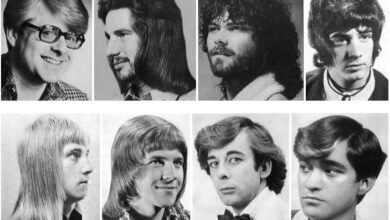

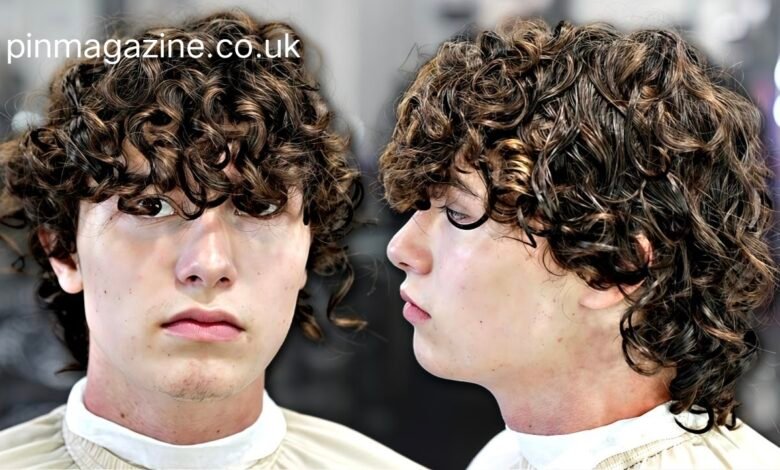
There’s something oddly comforting about walking through an old European street in autumn and spotting people who look unapologetically like themselves. Not polished. Not filtered. Just expressive in a deeply personal way. A messy wool coat, a worn leather satchel, headphones leaking piano music into the cold air — and somewhere in that scene, very often lately, a curly mullet.
At first, I honestly didn’t understand the appeal.
The haircut felt too rebellious, too nostalgic, maybe even a little chaotic. But after spending time around international students, art schools, vintage cafés, and those dim library corners where everyone somehow looks cinematic, the style started making sense. The curly mullet isn’t really about trends. It’s about identity. It belongs to people who mix old books with modern playlists, who wear thrifted coats with confidence, who romanticize rainy afternoons and handwritten notes.
It fits naturally into the study abroad lifestyle because that phase of life changes people. You experiment more. You stop dressing for approval and start dressing for mood. Creativity becomes part of daily routine. So does self-expression.
And strangely enough, the curly mullet sits right in the middle of all that artistic energy.
What Is Vintage Fashion?

Vintage fashion is more than wearing old clothes. It’s about atmosphere.
Some people discover it through flea markets in Paris. Others through Pinterest boards filled with faded bookstores, coffee stains on paperbacks, and retro outfits layered in soft neutral colors. There’s emotion attached to vintage clothing. It feels lived in, almost literary.
For students especially, vintage style offers freedom. You don’t need luxury brands to look interesting. A tweed blazer with slightly worn sleeves can feel more personal than something brand new. That’s part of the charm.
Sustainability also plays a role. Fast fashion has started to feel exhausting for many young people. Buying secondhand pieces feels slower, more intentional. A wool coat that lasts years somehow carries more meaning than five trend-driven jackets bought impulsively online.
And honestly, timeless style photographs beautifully without trying too hard.
That same philosophy explains why the curly mullet works so well within dark academia fashion and European student fashion. It doesn’t aim for perfection. It values texture, individuality, and mood instead.
A slightly messy curl falling near the eyes can sometimes say more than a perfectly styled haircut ever could.
Why Classical Music Inspires Students
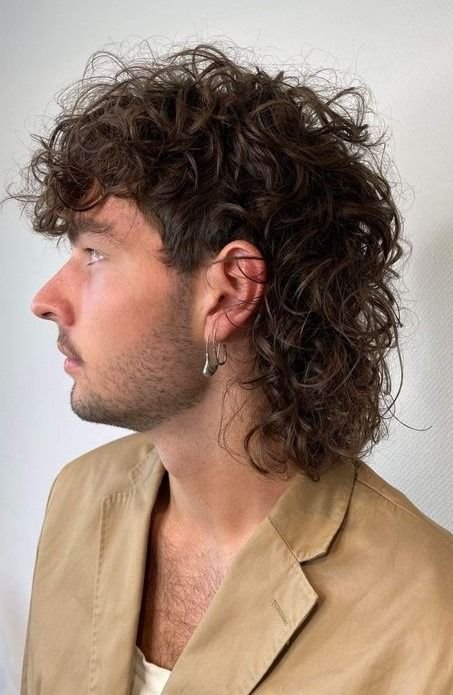
There’s a reason classical music keeps returning in creative student culture, even in a generation obsessed with short-form content.
It creates mental space.
Late-night study sessions feel different with piano sonatas playing softly in the background. Libraries become calmer. Thoughts slow down enough to organize themselves. A lot of students say they focus better while listening to composers like Chopin or Debussy, and honestly, I understand why.
The classical music aesthetic also carries emotional depth. It adds atmosphere to ordinary moments. Walking home after rain while violin music plays in your headphones can suddenly make the city feel cinematic. Even loneliness becomes strangely beautiful.
European influence matters here too. In cities like Vienna or Prague, classical music isn’t treated as something distant or elitist. It exists naturally in public life — concert halls, street performances, old architecture, quiet cafés. Students absorb that environment almost unconsciously.
And somehow, fashion follows mood.
The rise of intellectual fashion, vintage clothing, and hairstyles like the curly mullet all connect to the same emotional world. People are craving personality again. Texture. Imperfection. Character.
Study Abroad and Artistic Lifestyle
Living abroad changes your visual taste in subtle ways.
In Paris, style feels effortless but thoughtful. Students sit outside cafés wearing oversized coats, reading philosophy books they may or may not finish. In London, creativity feels more experimental — layered retro fashion, silver jewelry, worn boots, slightly chaotic hair. Vienna feels quieter, softer, almost classical in its elegance.
You notice details more when you study abroad.
Libraries become emotional spaces instead of academic ones. Museums stop feeling formal and start feeling inspiring. Even ordinary cafés begin shaping your routine. There’s often music playing softly, steam on the windows, someone sketching nearby.
That environment naturally influences appearance.
People lean toward artistic styles because creativity surrounds them daily. The curly mullet thrives in these spaces because it feels expressive without looking overdesigned. It has movement. Personality. A little rebellion.
Honestly, some hairstyles look best when they’re slightly imperfect. The curly mullet is one of them.
Dark Academia and Vintage Aesthetics
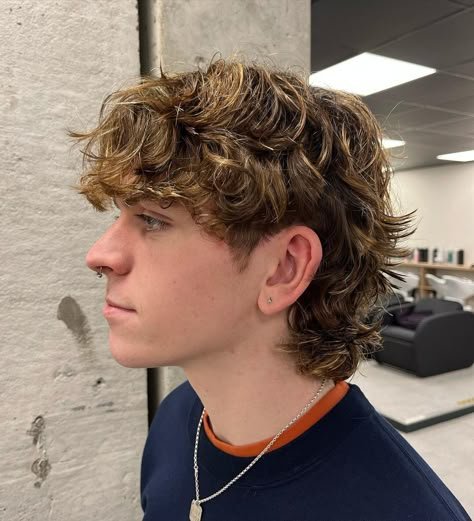
A few years ago, dark academia fashion exploded online, and suddenly everyone wanted to look like they had just walked out of a rainy university novel.
Pinterest became full of candlelit desks, old poetry books, and muted brown palettes. TikTok romanticized studying in oversized sweaters while classical music played in the background. Instagram pushed vintage aesthetics into everyday fashion culture.
At times, the trend became exaggerated. But beneath all the visuals, there was something real people connected with — intellectual beauty.
Students wanted fashion that felt meaningful rather than loud. They gravitated toward vintage-inspired pieces, thoughtful accessories, and hairstyles with personality. The curly mullet entered this world naturally because it doesn’t feel overly polished.
It feels human.
Curly texture softens the boldness of the mullet shape, making it artistic instead of aggressive. On some people, it almost resembles old rock musicians from the seventies mixed with modern art-school energy. Unexpected combination, honestly, but it works.
And unlike many short-lived trends, this style adapts easily. It can look edgy, romantic, scholarly, or effortlessly casual depending on clothing and mood.
Best Vintage Fashion Styles for Students
The best part about vintage-inspired student fashion is that it’s wearable in real life.
You don’t need a giant wardrobe. Just a few strong pieces layered thoughtfully.
Tweed blazers instantly create that intellectual fashion feeling without trying too hard. Slightly oversized fits work best because they feel relaxed and authentic. Wool coats are another essential, especially during colder months abroad. They age beautifully and somehow make every outfit feel cinematic.
Pleated skirts remain popular because they balance structure with softness. Paired with knit sweaters or loafers, they create that timeless European student fashion look people keep saving on Pinterest.
Neutral colors dominate this aesthetic for a reason. Browns, charcoal, cream, olive, and black layer naturally together. Nothing screams for attention, yet the overall effect feels deeply stylish.
And then there’s hair.
A curly mullet paired with vintage clothing creates contrast in the best way possible. Structured coats mixed with messy curls feel spontaneous and artistic, almost like someone who spends mornings in libraries and evenings at underground music events.
Which, honestly, describes a surprising number of students these days.
How Classical Music Helps While Studying
Classical music doesn’t magically make people smarter. But it changes atmosphere, and atmosphere matters more than most people realize.
Studying becomes less draining when your environment feels comforting. Soft instrumental music reduces mental noise. It helps students stay present longer, especially during reading-heavy subjects.
There’s also emotional balance involved.
Creative students often experience overstimulation from constant screens and fast content. Classical compositions slow the nervous system down a little. Even ten minutes of quiet piano music before studying can shift focus dramatically.
The combination of vintage aesthetics, calm environments, thoughtful fashion, and intentional routines creates a lifestyle many students crave now. Not because it’s trendy, but because modern life feels chaotic.
People want depth again.
And oddly enough, that desire shows up everywhere — in music choices, café rituals, thrift shopping, and yes, even hairstyles like the curly mullet.
Conclusion
Maybe that’s why the curly mullet feels bigger than just a haircut right now.
It represents creativity without perfection. Individuality without performance. It belongs to students wandering through museums alone, writing notes in crowded cafés, listening to classical music while rain taps softly against library windows.
Not every trend carries emotion. This one somehow does.
And honestly, that’s probably why people remember it.
FAQs
Is the curly mullet hard to maintain?
Not really. Natural texture actually helps the style look better, even slightly messy.
Why is vintage fashion popular among students?
It feels personal, affordable, sustainable, and emotionally expressive compared to fast fashion.
Does classical music really help with studying?
For many students, yes. It creates a calmer atmosphere and improves concentration during long study sessions.